
South
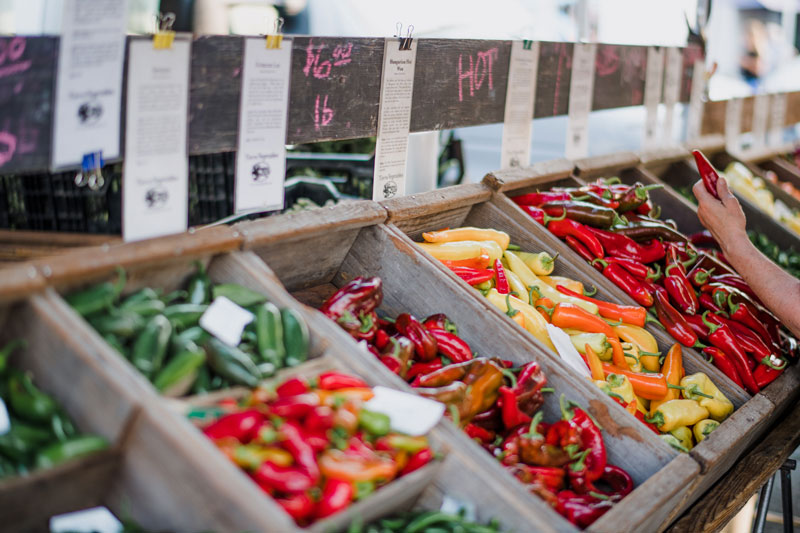
Grocery Access Across the South
Across the South, access to fresh, affordable food can vary widely from one community to another.
In some neighborhoods, residents may have several places to buy food but still lack a nearby full-service grocery store. In others, store closures, transportation challenges, limited retail development, or long travel distances can make grocery shopping much more difficult.
We want to hear directly from residents throughout the South about where grocery options are disappearing, where access is limited, and which communities are asking for better choices.
Every Southern Community Has a Story
A grocery store is an important part of a healthy and connected community.
It provides families with access to fresh food, supports local jobs, creates economic activity, and gives residents a dependable place to shop for everyday needs. When a grocery store closes or leaves a neighborhood, the effects can reach far beyond the loss of a single business.
For some residents, that may mean driving farther. For others, it can mean relying on public transportation, paying for rides, or shopping at smaller stores with fewer fresh and affordable options.
Those experiences help tell the real story of food access across the South.
By hearing directly from residents, we can better understand where communities are being underserved and where new grocery opportunities may exist.
Help Us Put the South on the Map
Has your neighborhood lost a grocery store?
Do you have to travel outside your community to buy groceries?
Are residents relying on convenience stores, dollar stores, or other locations with limited fresh-food options?
Is there an empty grocery store, shopping center, or retail property that could serve the community again?
We want to hear about it.
Your story can help us identify communities where there is a real need for better grocery access — and where residents are ready to support new options.