
Regions
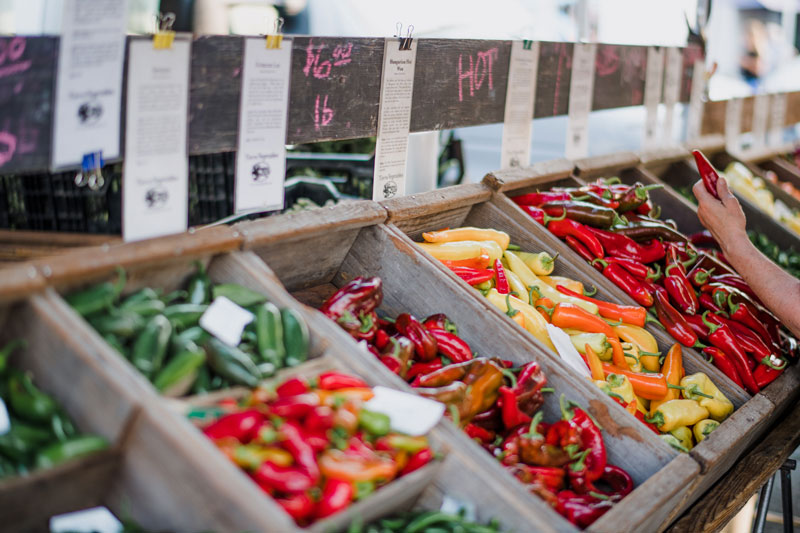
Food Access Is a National Issue
Communities across the United States are facing challenges when it comes to accessing fresh, affordable food.
In some neighborhoods, a longtime grocery store has closed. In others, residents may already travel several miles to reach a full-service supermarket. The circumstances may be different from one community to another, but the result is often the same: families are left with fewer options for buying the food they need.
Explore the regions below to learn more about communities facing grocery access challenges — and to tell us what is happening where you live.
Every Community Has a Story
Food deserts cannot be understood by looking at a map alone.
Behind every underserved area are people who have to find another way to get groceries. A store closing may mean a longer drive for one family, multiple bus rides for another, or fewer affordable and healthy choices for someone without transportation.
That is why community voices are so important.
By hearing directly from residents across the country, we can better understand where grocery access is disappearing, how communities are being affected, and where there may be opportunities for grocery retailers and other partners to make a difference.
Tell Us What Is Happening in Your Community
Has your neighborhood lost a grocery store?
Do you have to travel outside your community to buy groceries?
Are there buildings or shopping centers sitting empty where a grocery store once operated?
We want to hear about it.
Your experience can help us identify communities where there is a real need — and real interest — in bringing better grocery options back.
Midwest
Across the Midwest, grocery store closures can leave urban neighborhoods and smaller communities with limited options for fresh food and everyday necessities.

South
Communities throughout the South are experiencing changes in where and how residents can purchase groceries. In some neighborhoods, transportation and distance can make the loss of a local store particularly difficult.

Northeast
From major metropolitan neighborhoods to smaller communities, residents throughout the Northeast can face challenges when local grocery options disappear.
West
From large urban centers to rapidly changing communities, residents throughout the West can experience significant gaps in convenient access to full-service grocery stores